

Breast engorgement is common in the first few days after birth, especially when milk starts coming in. For many new mothers, the breasts can suddenly feel full, heavy, tight, or sore. This can make breastfeeding more difficult, especially when the baby is still learning to latch.
Engorgement happens when milk builds up faster than it is being removed. Extra fluid and blood flow in the breast can also add to the swelling.
Breast massage may help ease discomfort by promoting fluid movement and supporting milk flow. Combining it with regular breastfeeding or milk expression may help relieve engorgement, instead of trying to “force” the milk out, which can make the soreness worse.
What Causes Breast Engorgement?
Breast engorgement is often caused by increased milk production and changes in how effectively milk is removed from the breasts. Common causes include:
- Increased Blood Flow and Milk Production: In the days after childbirth, blood flow, lymphatic fluid, and milk volume all increase quickly as the body works to establish a full supply.
- Changes in Feeding Frequency: As feeding routines change over time, fewer feeding sessions or consistently longer intervals between them can allow milk to build up more quickly.
- Reduced Lymphatic Drainage: Fluid retention and slower lymphatic drainage massage for breast swelling contribute to the swelling associated with a fuller supply.
- Delayed or Missed Feeds: An occasional missed session, whether due to a longer stretch of sleep or a change in plans, can cause milk to build up faster than the body can release it.
- Improper Latch or Feeding Position: A latch that does not remove milk efficiently leaves the breast fuller for longer, affecting comfort and ongoing milk flow.
Methods to Support Breast Engorgement Relief
Several approaches can be combined to manage engorgement, ranging from hands-on techniques to adjustments in feeding routine.
1. Breast Massage
Gentle breast massage techniques for engorgement relief can be one approach to managing engorgement, supporting circulation and lymphatic drainage rather than directly forcing milk out.
- Preparation: Sit comfortably, take a few slow breaths, and relax your shoulders before touching the breast. Tension can make milk let-down feel harder.
- Areola Massage: If your baby is struggling to latch, use your fingertips to apply pressure around the areola. This may help soften the area near the nipple.
- Lymphatic Drainage: Use long, steady strokes from the outer breast toward the armpit and inward toward the chest centre to support fluid movement.
- Tapping and Kneading: Alternate the circular motion with light tapping and soft kneading using the backs of the fists, easing pressure without pressing directly into tender areas.
- Clogged Duct Massage: If you notice a firm area in your breast, apply steady pressure just behind it and stroke toward the nipple to encourage milk through the blockage.
- Hand Expression of Milk: After massaging, express a small amount of milk by hand until the breast softens and milk flows more easily.
- Session Length: Keep each session brief; a few minutes per breast is usually enough, focusing on comfort rather than emptying the breast fully in one sitting.
2. Use Warm Compresses Carefully
Warmth encourages breast tissue to relax and soften, making both massage and latching more comfortable just before a feed.
- Safe Application: A warm compress or a few minutes in a warm shower, applied for about 3 to 5 minutes before feeding, is usually enough to loosen tight tissue.
- When to Avoid Heat: If discomfort is severe or the breast feels hot to the touch, heat can worsen swelling.
3. Hand Express Milk When Needed
Expressing a small amount of milk by hand may relieve engorgement and soften the breast, easing tightness without needing a pump or a full feed.
- Small Amounts Only: Expressing milk just enough to feel comfortable, rather than emptying the breast completely.
- Unhurried Technique: A slow, careful approach, working the fingers in a C-shape behind the areola, tends to work better than quick or forceful attempts.
4. Support Proper Latch and Feeding Positions
Proper latch and feeding positions can help reduce breast engorgement by improving milk removal between feeds.
- Effective Latch: A well-positioned latch removes milk more efficiently, reducing fullness that can lead to engorgement.
- Different Feeding Positions: Different positions may help drain different parts of the breast. If one area feels fuller, try positioning your baby so their chin points towards that area.
- Consistent Feeding Routine: Feeding at regular intervals, rather than allowing long gaps, helps keep pressure from building up.
5. Apply Cold Compresses for Swelling
Cold compresses can help between feeds when the breast feels swollen or sore.
- Swelling Reduction: Cold reduces blood flow to the area, bringing down swelling and easing throbbing discomfort when a feed is not imminent.
- Safe Application: Wrapping a cold pack in a thin cloth, rather than placing ice directly on the skin, protects the tissue while still providing relief.
Recognise When to Seek Professional Support
Engorgement may ease with consistent feeding and home care, but a few signs require additional attention.
- Pain That Isn’t Improving: Severe pain or discomfort that doesn’t ease despite massage.
- Physical Warning Signs: A fever or skin that feels red, warm, or unusually hard indicates something beyond ordinary engorgement.
- Symptoms Lasting Beyond a Week: Engorgement that hasn’t settled within 5 to 7 days of self-massage.
- Signs the Baby Isn’t Feeding Well: Fewer wet nappies, poor weight gain, or a baby who seems unsettled after feeds can indicate a latch or supply issue.
Supporting Postnatal Breast Comfort with Ample Life™ Wellness & Beauty
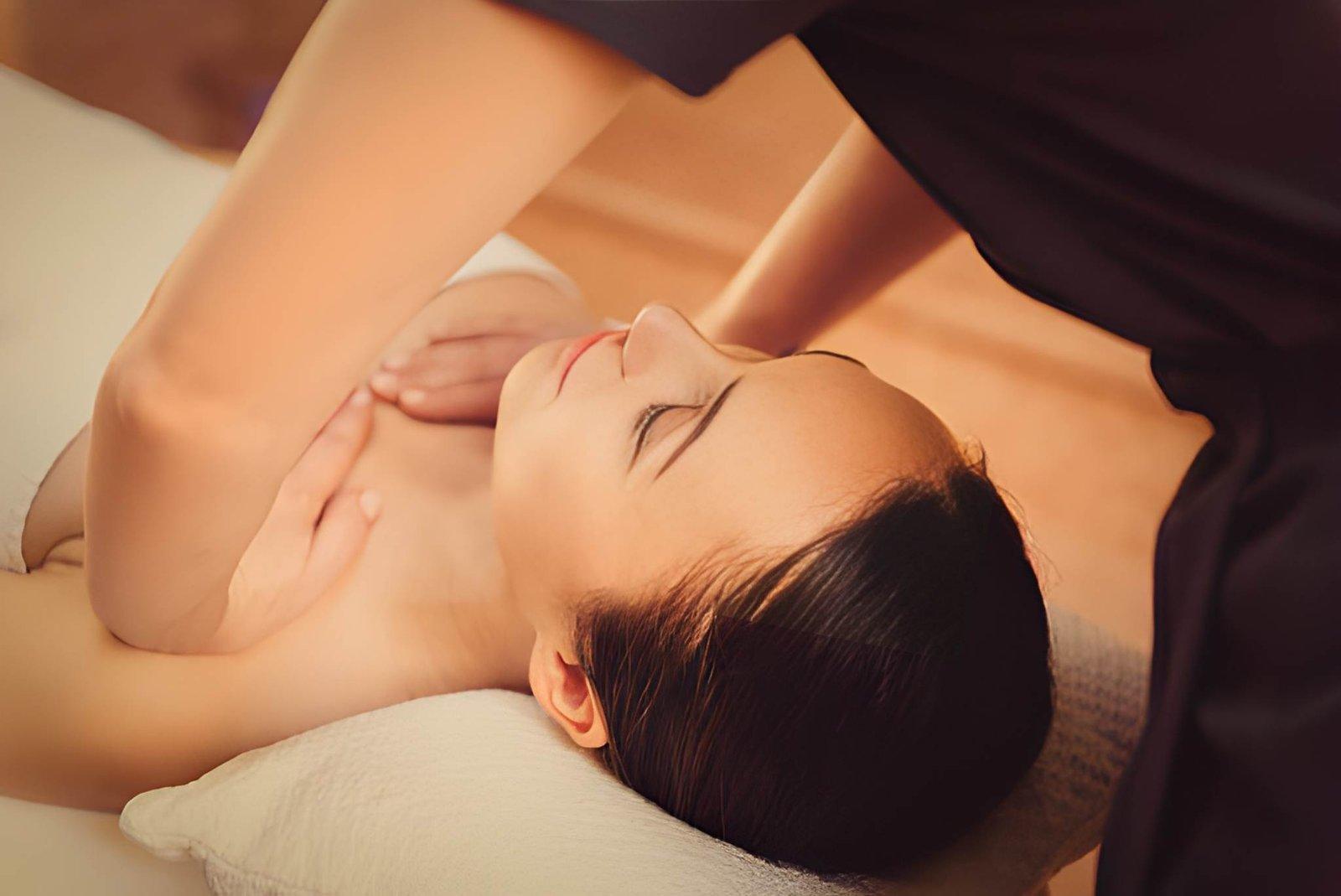
For new mothers finding breast engorgement hard to manage alone, a session at Ample Life™ Wellness & Beauty may offer additional support during this phase.
At Ample Life™ Wellness & Beauty, our lactation massage and breast wellness sessions are tailored to the needs of breastfeeding mothers. Using targeted massage techniques, our trained professionals aim to support circulation, encourage milk flow, ease breast tension, and help relieve swelling associated with engorgement.
Sessions are carried out in a private setting, with attention to your comfort level and individual needs.
Book a consultation session at Ample Life™ Wellness & Beauty today to receive personalised support.