

The face can show the pressure of daily life long before skincare is applied. Jaw clenching, brow strain, under-eye heaviness, puffiness and a tired-looking face often point to concerns beneath the skin’s surface.
That is where facial massage becomes different from a standard cleanse-and-mask facial. Different facial massage types use varied pressure, tool contact, hand techniques and meridian work to support circulation, lymphatic movement, facial tension release and skin vitality. At Ample Life, this internal-external view matters because sustainable beauty is approached through both skin condition and body balance.
Since these facial concerns do not all come from the same source, the massage method should match the concern being addressed. A puffy face may need a different approach than a tense jaw, just as dull-looking skin may need a different rhythm than deeper facial stiffness. This is why Bojin, Gua Sha, acupressure and lymphatic facial massage should not be used interchangeably.
Why Facial Massage Works Differently From a Conventional Facial
A conventional facial usually focuses on the skin surface first. Makeup, sunscreen and sebum are removed before the skin is prepared for exfoliation, masks and serums. These steps can help with surface congestion, dryness or uneven skin texture.
Facial massage techniques go beyond product application. They use pressure, movement and targeted work to address facial tissues, circulation, lymphatic flow and areas where tension has gathered. In TCM-based methods, this may also include working along meridian pathways recognised in Traditional Chinese Medicine.
This is why the result of a facial massage is not only about how the skin is cleansed or hydrated. The method chosen should match the main concern being addressed, whether that is puffiness, jaw tightness, brow strain, dull-looking skin or facial stiffness.
Four Types of Facial Massage and How They Differ
Facial massage is not one standard technique. Bojin, Gua Sha, acupressure and lymphatic massage each work at a different depth and are chosen for different concerns, from jaw tension and puffiness to dullness, sinus-area pressure and facial heaviness.
1. Bojin Facial
- What it uses: An ox horn tool with curved or pointed edges.
- How it works: The practitioner traces facial meridian lines and works across selected pressure points around the jawline, cheekbones, temples and brow.
- Depth: Deeper than Gua Sha. Bojin facial massage works into facial fascia, muscle tension and areas that feel congested or stiff.
- Main focus: Chi flow, circulation, facial tightness, puffiness and meridian movement.
- Suitable for: Jaw tightness, recurring puffiness, cheek heaviness, brow strain, facial stiffness and a lifted-looking effect through massage.
- How it may feel: Tighter areas may feel more intense because the practitioner is working through areas where tension has gathered.
Bojin is often chosen when facial tightness feels deeper, especially around the jaw, cheekbones, temples and brow. Rather than focusing only on the skin surface, it follows meridian lines and pressure points to support Chi flow, circulation and the release of tension patterns that can affect how the face appears.
2. Gua Sha Facial
- What it uses: A flat-edged jade, stone or similar facial tool.
- How it works: The tool glides across the face in upward, outward strokes.
- Depth: Lighter than Bojin, focusing mainly on the skin surface and superficial tissue movement.
- Main focus: Surface circulation, lymphatic movement, visible puffiness and routine skin maintenance.
- Suitable for: Mild puffiness, dull-looking skin, light facial tension and those new to TCM facial massage.
- How it may feel: Smoother and less intense than Bojin, especially when the pressure is adapted to the skin condition.
Gua Sha facial massage is commonly used for regular facial upkeep. With lighter strokes, it helps keep circulation and fluid movement active, making it suitable for mild puffiness, dull-looking skin, and those seeking a less intense entry point into TCM-inspired facial care.
3. Acupressure Facial Massage
- What it uses: The practitioner’s finger or thumb pressure.
- How it works: The practitioner applies pressure to selected acupoints around the temples, brow, cheek area, jaw and sinus region.
- Depth: Targeted rather than tool-led. The practitioner can adjust pressure immediately based on the area being worked on.
- Main focus: Point-specific facial tension, Chi movement and local circulation support.
- Suitable for: Temple tightness, brow strain, jaw clenching, sinus-area pressure and skin that may not need tool contact.
- How it may feel: Focused and controlled, with pressure held over selected points instead of long scraping or sweeping strokes.
Among facial massage types, acupressure helps when tension gathers at specific points. It is often included within Bojin or Gua Sha sessions to release areas that need closer attention.
4. Lymphatic Facial Massage
- What it uses: Very light hand movements across the face, neck and collarbone area.
- How it works: The practitioner uses paced strokes to direct excess fluid toward lymph nodes around the neck and collarbone.
- Depth: The lightest among these facial massage techniques, as superficial lymph vessels respond to minimal pressure.
- Main focus: Fluid movement, puffiness and facial heaviness.
- Suitable for: Morning puffiness, under-eye swelling, facial congestion and a heavy-looking face.
- How it may feel: Calm, light and rhythmic, with no need for deep pressure.
Lymphatic facial massage may be used before Bojin or Gua Sha to encourage fluid movement around the face and neck before deeper work begins. It may also be used near the end of the session to support drainage after areas of facial tension have been worked on.
What Actually Happens During a Bojin Facial at Ample Life
At Ample Life, a Bojin facial massage is performed as a TCM-based facial that works along facial meridian lines, pressure points and areas of visible tension. The focus is on how the face feels and responds on the day, not a fixed routine applied the same way for everyone.
Before the Session Begins
Before the Bojin tool is used, the practitioner prepares the skin and checks what needs closer attention.
- Consultation and skin check: Your practitioner looks at skin condition, puffiness, sensitivity, facial tightness and key areas of concern.
- Tension assessment: Areas such as the jaw, temples, brow and cheekbones may be checked for tightness before massage begins.
- Skin preparation: Light makeup, sunscreen and surface product are removed so the skin is ready for facial massage.
- Oil application: Facial oil/cream is applied so the ox horn tool can move across the skin without pulling.
The Bojin Session, Step by Step
A Bojin facial massage usually moves from skin preparation to meridian work, targeted pressure and finishing care.
- Skin preparation: The practitioner removes makeup, sunscreen, oil and surface impurities. Steam or light extraction may be included if there is visible congestion.
- Facial oil or serum application: Oil or serum is applied to help the ox horn tool move across the jaw, cheeks, brow and temples without dragging the skin.
- Meridian Bojin work: The practitioner uses the ox horn tool to trace facial meridian lines and selected pressure points. Pressure may be adjusted across different areas, with stronger pressure used only where the face can tolerate it.
- Focus on tighter areas: Areas with more tension may feel achier during the session. This is common around the jaw, cheekbones, brow and temples, especially for those who clench, frown or spend long hours looking at screens.
- Eye-area work where suitable: If included, eye-area work uses lighter, controlled pressure around the orbital area. This may support under-eye puffiness, brow strain and eye fatigue.
- 3D Skin Detox Drainage: Moderate to firm drainage techniques and facial strokes may be applied across the face and neck to help stimulate blood circulation and encourage lymphatic flow toward the lymph nodes, supporting the body’s natural drainage process.
- Mask and finishing care: A mask is applied after massage work to comfort the skin. The session may end with moisturiser and sun protection, depending on the time of day.
What Happens During a Gua Sha Facial
A Gua Sha facial is usually less intense than Bojin. While both are meridian-based facial massage techniques, Gua Sha works more through sweeping strokes, surface circulation and lymphatic movement.
The Gua Sha Session, Step by Step
A face Gua Sha massage may vary slightly by practitioner, but the flow usually follows this pattern.
- Skin preparation: The skin is prepared so the tool can move across a clear surface.
- Oil application: Facial oil/cream is applied to prevent dragging and allow the tool to glide across the face.
- Neck and jaw preparation: The session may begin around the neck and jawline to support drainage pathways before the practitioner moves across the rest of the face.
- Upward and outward facial strokes: The tool moves across the cheeks, chin, jawline and forehead. These strokes support circulation and help reduce the look of puffiness.
- Selected acupressure points: The practitioner may pause over selected TCM points to ease facial tension and support Chi movement.
What Gua Sha Facial Supports
A face Gua Sha massage is often chosen for visible dullness, mild puffiness and routine skin vitality. By encouraging local blood flow and lymphatic movement, it can help the skin look brighter and the face appear less heavy.
The aim is not an overnight transformation. The aim is consistent maintenance through repeated movement, circulation support and meridian-based facial care.
Which Facial Is Right for You?
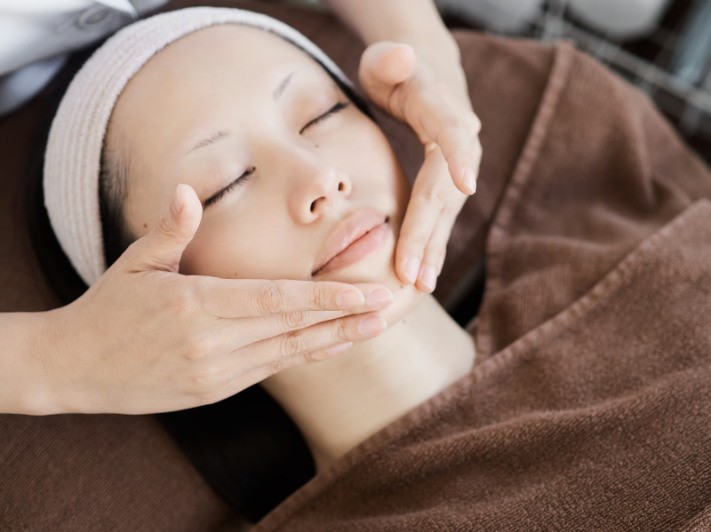
To choose the right facial massage, start with what your face is showing: tension, puffiness, dullness, heaviness or the need for regular upkeep.
| Concern | Suitable facial massage | Why it fits |
| Jaw tightness, facial stiffness or repeated puffiness | Bojin facial massage | Works deeper across meridian lines, facial fascia and tension points |
| Mild puffiness, dull-looking skin or routine maintenance | Face Gua Sha massage | Supports surface circulation and lymphatic movement with lighter tool strokes |
| Temple tension, brow strain or jaw clenching | Acupressure facial massage | Uses direct pressure on selected acupoints without facial tools |
| Morning swelling, under-eye heaviness or facial congestion | Lymphatic facial massage | Uses very light movements to guide excess fluid toward the neck and collarbone area |
| New to TCM facial massage | Face Gua Sha massage or acupressure | Offers a lighter entry point before deeper Bojin work |
| Wants deeper corrective facial massage work | Bojin facial massage | Targets areas where tension, puffiness and stiffness feel more persistent |
Bojin and Gua Sha can also work well together. This is because Bojin facial massage supports deeper meridian and fascia work, while Gua Sha can help maintain circulation and flow between sessions. At Ample Life, we may also incorporate acupressure and lymphatic drainage into Bojin or Gua Sha sessions when suitable.
What to Check When Choosing a Facial Massage Provider
Before booking any facial massage technique, check that the provider can explain the method clearly and adapt the session to your condition.
- Technique-specific training: Bojin, Gua Sha, acupressure and lymphatic facial massage require different pressure levels and hand skills. They should not be performed as if they are the same method.
- Consultation before the session: The practitioner should understand your skin condition, facial tension, puffiness, sensitivity and wellness history before beginning.
- Personalised pressure: Jaw tension, under-eye heaviness, dull-looking skin and sensitivity each require different pacing.
- Holistic framing: A TCM facial should not focus only on external appearance. It should also recognise Chi flow, circulation, lymphatic movement and facial tension.
- Clear aftercare guidance: The provider should advise what to expect after the session, especially if your face has areas of stronger tension.
Facial Massage at Ample Life
At Ample Life, we offer Meridian Bojin Facial and Gua Sha Facial as part of our Skin Health Management approach. Both sessions are guided by the belief that beauty and wellness are connected, and that visible skin condition should be supported through internal-external care.
For deeper facial tension, stiffness and repeated puffiness, Meridian Bojin Facial offers a targeted approach through ox horn tool work, facial meridian lines and pressure-point massage. For lighter maintenance, facial radiance and surface circulation, Gua Sha Facial offers a calmer rhythm through gliding tool strokes and meridian-based movement.
If you are comparing different types of facial massage, Ample Life can guide you to the method that best suits your skin condition, facial tension and wellness concerns that day. Book a consultation to begin with the facial massage approach that matches what your face and body are presenting.