

Pregnancy naturally brings physical changes that can place extra pressure on areas like the back, hips, and legs. To help ease these shifts, many women incorporate prenatal massage into their routine. When done safely by a professional and approved by a doctor, these massages offer a supportive way to stay comfortable as the body adapts.
Most expectant mothers find that weekly sessions provide the most benefit, particularly as their pregnancy progresses. This consistent rhythm promotes a sense of ease, supports circulation, and offers relief from swelling and postural discomfort to a certain extent. Ultimately, the ideal frequency depends on individual needs, but regular sessions help the body stay supported through each stage of change.
What Are the Benefits of Prenatal Massages During Pregnancy
Pregnancy is a profound physical and emotional transition. As the body adjusts, it may experience:
- Back, hip, and lower limb pain
- Swelling in feet and ankles
- Muscle tension and stiffness
- Emotional stress and sleep difficulties
When performed by a trained professional and approved by a healthcare provider, prenatal massage can complement a woman’s wellness routine by:
- Supporting blood circulation and reducing swelling
- Easing muscle tension and joint pain
- Promoting relaxation and stress relief
- Contributing to overall maternal health and well-being
Prenatal massage also indirectly benefits the baby by creating a calmer and healthier environment in the womb.
For more insight, read: The Benefits of Prenatal Massage for Mom and Baby
First Trimester: Gentle Approach Only
The first 12 weeks mark a sensitive and foundational stage of pregnancy where extra caution is essential. Most healthcare professionals recommend postponing any massage therapy until the second trimester. However, light relaxation massages may still be considered appropriate during this stage under the following conditions:
- You have obtained clearance from your doctor
- The massage is provided by someone experienced in prenatal care
During this phase, deep abdominal work, lying flat on your back, and stimulating acupressure points, particularly those linked to uterine activity, should be strictly avoided.
Recommended frequency: Occasional sessions, if cleared by your healthcare provider.
At Ample Life, our maternity massage approach is intentionally conservative during this period. With slow, deliberate strokes, attention is placed on areas most affected by early pregnancy, such as the lower back, hips, thighs, and feet. Every movement is chosen to offer support without strain, helping you feel grounded while your body adjusts.
Second Trimester: Optimal Time to Start
Spanning weeks 13 to 27, the second trimester is widely considered the most suitable time to begin regular prenatal massage. As your body adapts to your growing baby, common physical strains, such as muscular tension, postural shifts, and circulatory changes, become more pronounced.
Massage during this stage can:
- Relieves back, hip, and leg pain
- Reduces muscle tension
- Improves circulation and reduces swelling
- Promotes mental well-being and better sleep
Recommended frequency: Every 2–4 weeks, adjusted to your comfort level and therapist’s advice.
Learn more about the ideal timing to start prenatal massage here: When Is the Best Time to Start Prenatal Massage?
Third Trimester: Frequent Relief
As the pregnancy enters its final phase, weeks 28–40, the physical demands placed on the body reach their peak. The growing belly, postural shifts, and increased strain on the lower body often intensify feelings of discomfort, particularly in the lower back, hips, and legs.
During this period, consistent massage sessions can:
- Reduce lower back and hip pain
- Relieve leg cramps and swelling
- Promote relaxation and better sleep
- Support labour preparation and stress reduction
Recommended frequency: Once a week or every two weeks for consistent relief.
Learn more about massage safety late in pregnancy here: Prenatal Massage Nearing Your EDD: Safe or Risky?
Factors That Influence Massage Frequency
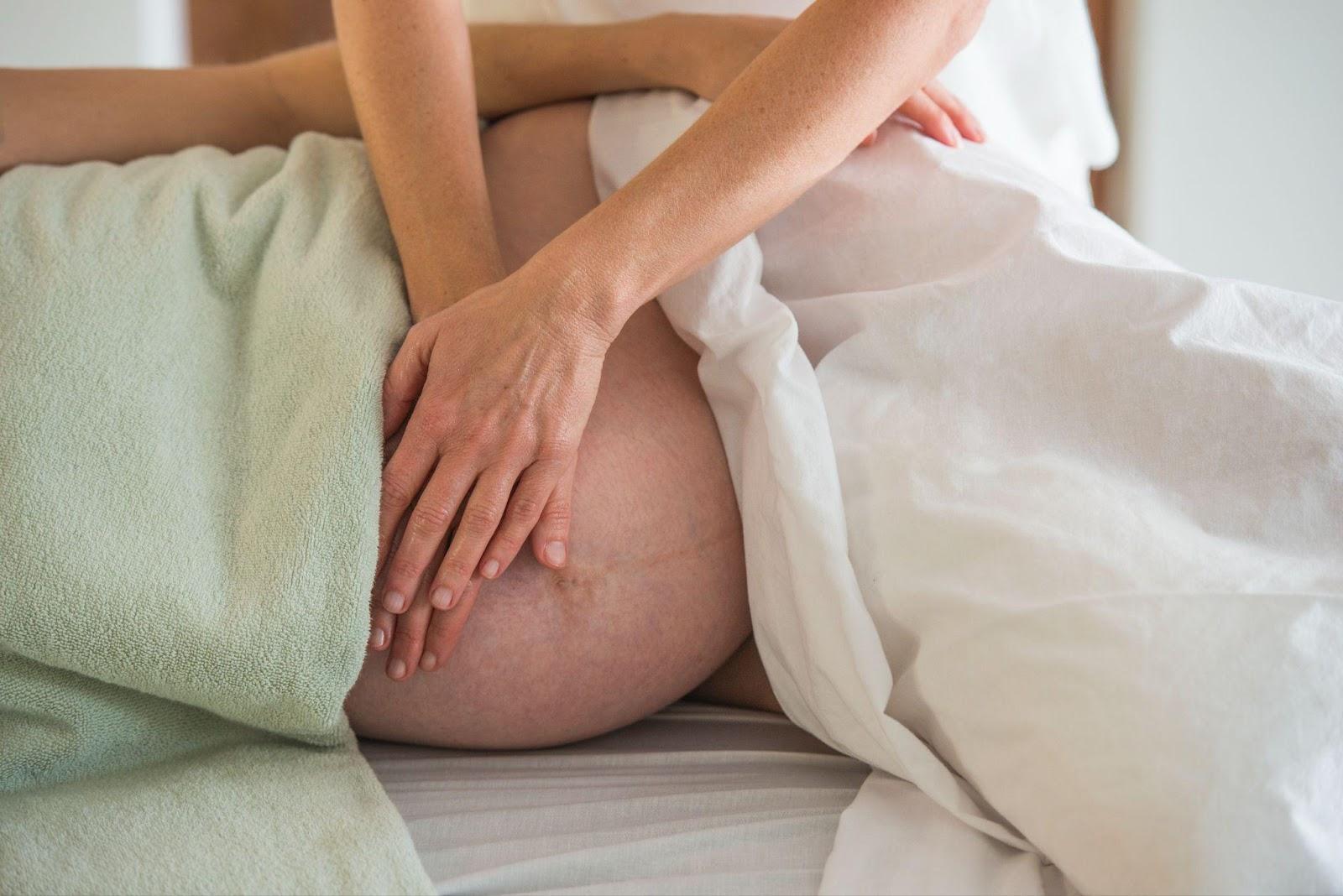
No two pregnancies are the same. As such, the ideal frequency of prenatal massages depends on several interrelated factors, including:
- Doctor’s advice: Always seek approval before starting regular sessions.
- Health conditions: High-risk pregnancies may need extra precautions.
- Budget & time: Even monthly sessions can provide benefits.
- Personal comfort: Some women enjoy weekly massages, while others prefer them less often.
Recommended Schedule at a Glance
For most expecting mothers:
- Second trimester: Monthly prenatal massages
- Third trimester: Weekly or bi-weekly sessions
The key is to listen to your body, consult your healthcare provider, and work with a certified prenatal massage therapist. When done safely, prenatal massage supports both physical and emotional health, making pregnancy more comfortable and enjoyable.
A Holistic Experience with Ample Life
Born from our conviction that true beauty begins within, Ample Life offers a maternity massage experience grounded in deep respect for both the body’s transformation and the mother’s evolving emotional needs.
Our techniques are carefully attuned to each trimester, easing muscle tension and supporting circulation without overstimulating sensitive areas. We pay special attention to zones often overlooked, such as the thighs, lower back, and chest, helping to soften tightness, revitalise Chi flow, and create a sense of calm from within.
Beyond the physical, our space is deliberately designed to be serene and supportive. We use only pure botanical oils, free from synthetic additives, allowing you to receive care in its most natural form.
Whether it’s your first session or your final visit before your delivery date, our approach honours the intimate rhythm of your pregnancy.